


The Evolution of the Spire: A Deep Dive into the Architectural Shift of Slay the Spire 2
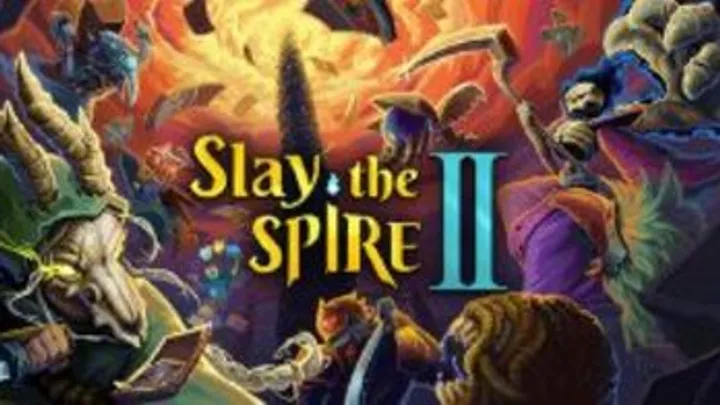
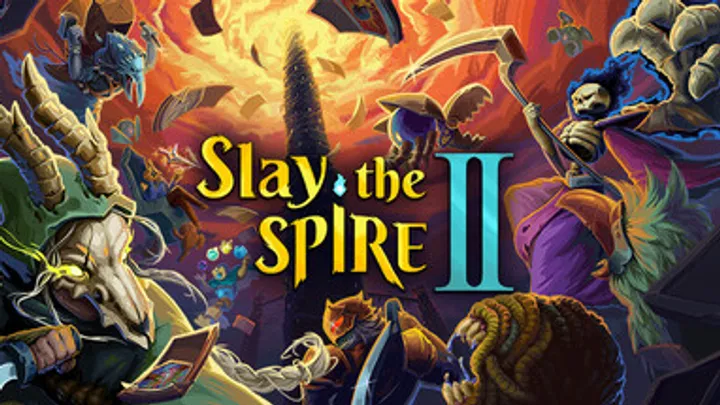
The announcement of Slay the Spire 2 represents a tectonic shift in the roguelike deckbuilder landscape. Rather than simply adding more of the same, Mega Crit has opted to rebuild the Spire from its very foundations. This transition is not merely cosmetic; it is a structural overhaul that addresses the limitations of the first game's engine while pushing the boundaries of what a tactical card game can achieve in terms of complexity and player agency. To understand this sequel, one must look past the new cards and into the skeletal architecture of the game’s design philosophy.
1. The Engine Migration: From LibGDX to Godot
The decision to migrate from the LibGDX framework to the Godot Engine is the most significant invisible change in Slay the Spire 2. The original game, while legendary, was often hampered by technical debt, making complex animations and certain modding capabilities difficult to implement without stability issues. By moving to a modern, open-source engine like Godot, the developers have unlocked a new level of fluidity and performance.
This shift allows for a level of visual fidelity and "logical nesting" that the original lacked. Godot’s node-based architecture allows for more modular card effects and smoother transitions. This means we can expect cards that interact with the game world in non-linear ways, such as cards that physically move across the screen or react to the specific coordinates of an enemy, adding a layer of spatial reasoning to the traditionally 2D card plane.
2. The Philosophy of the Necrobinder and Summons
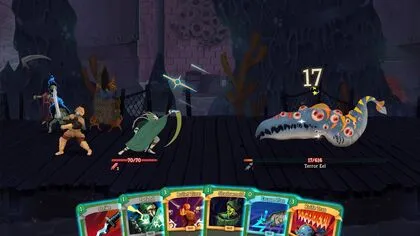
One of the most striking additions to the roster is the Necrobinder, a character that fundamentally alters the "economy of actions" within a turn. In the original game, the player was the sole actor, with the Defect’s orbs serving as the only persistent automated system. The Necrobinder introduces a true summon mechanic with her companion, Ostix, which acts as a secondary entity on the battlefield.
This changes the gameplay from simple damage-per-turn to asset management. When playing the Necrobinder, your hand of cards often serves as a set of commands for your summon. You are no longer just asking how to kill an enemy, but how to position and preserve your summon to absorb hits while preparing a soul-harvesting combo. This multi-threaded tactical layer adds a level of cognitive load that moves the game toward a party-management feel.
3. The Reimagining of the Ironclad’s Blood Magic
The Ironclad returns as the bridge between the old Spire and the new, but his mechanical identity has been sharpened into something far more predatory. In the sequel, the concept of exhaustion and self-harm has been refined into a high-risk, high-reward loop that feels more intentional. Where the original Ironclad might accidentally stumble into a powerful build, the new Ironclad has cards that specifically reward the purity of the exhaust pile.
This evolution reflects a broader design goal: making the starter character feel as complex as the newcomers. The new Ironclad cards emphasize temporary strength that must be converted into permanent advantage before the turn ends. This creates a ticking clock sensation in every combat encounter, forcing the player to play aggressively and take calculated risks with their HP pool that feel much more impactful than the simple strategies of the past.
4. The Geometry of New Map Proceduralism
The map in Slay the Spire 2 has been reimagined as a shifting, breathing entity rather than a static tree of nodes. The developers have introduced branching dependencies, where choices made in early acts have physical repercussions in later stages. For example, selecting a specific path in Act 1 might physically alter the room types available in Act 2, creating a long-term butterfly effect that was largely absent previously.
This deeper map logic introduces new room types that go beyond simple events or combats:
- The Forbidden Reliquary: High-risk trade rooms for powerful artifacts.
- Echo Chambers: Rooms that repeat a previous encounter with a modified difficulty.
- Refined Forge-Sites: More complex than simple campfires, offering specialized card infusions.
5. Keyword Evolution: Beyond Vulnerable and Weak
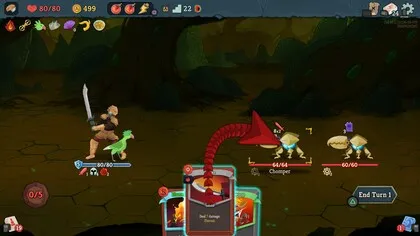
While the original game relied on core keywords like Vulnerable and Weak, Slay the Spire 2 introduces state-based keywords. These are effects that don't just modify a number but change the fundamental rules of the turn. For instance, a Transcendence state might allow a player to ignore energy costs for one turn at the cost of being unable to block during the next, shifting the focus from arithmetic to state management.
This complexity is bolstered by the introduction of reaction keywords on enemies. Certain foes will now have counter-stance logic, where they change their intent based on the type of card the player just played. If you play too many attacks, the enemy shifts to a defensive posture; if you play too many skills, they prepare a massive debuff. This creates a dance between the player and the AI where playing your best card might be a tactical error.
6. The Visual Language of the UI Overhaul
Slay the Spire 2 utilizes a more expressive visual language to communicate complex information. The intent system now provides more nuanced data through refined iconography. You can see not just how much damage is coming, but the nature of that damage—such as piercing, multi-hit, or status-inflicting—allowing for more granular defensive planning without cluttering the screen.
The UI utilizes Godot’s capabilities to display this information through subtle visual cues. An enemy glowing with a faint purple aura might indicate a hidden debuff trigger, while a shaking icon might suggest a frenzy mode is imminent. This forces the player to read the body language of the monsters, making the combat feel more visceral and less like a spreadsheet, even as the underlying math becomes more complex.
7. The Role of the Merchant and Economic Scaling
The Merchant has undergone a transformation from a simple shopkeeper to a dynamic economic force. In the sequel, gold is no longer the only currency of value. There are hints of a barter system where players can trade away max HP, card removals, or even memories (a new resource type) for powerful relics. This makes every visit to the shop a high-stakes negotiation.
Furthermore, the shop's inventory now reacts to your deck's archetype:
Shop Mechanics
- Dynamic Pricing: Relic prices fluctuate based on your deck's current power level.
- Investment: The ability to pay a small fee to lock a card for a later shop visit.
- The Black Market: Rare, hidden shop tiers that appear only under specific conditions.
8. Enemy AI and Reactive Patterning
In the first game, enemies followed a predictable script or a weighted random pool. Slay the Spire 2 introduces reactive patterning, where bosses and elites track player behavior. If you play ten skills in a single turn, the enemy might shift into a mage-slayer stance. This turns the game into a true duel, where the correct move isn't just the one that maximizes the current turn, but the one that doesn't trigger a lethal AI response.
This evolution forces players to sandbag or hold back their strongest plays—a counter-intuitive strategy that adds a massive layer to the skill ceiling. You are no longer just playing against a deck; you are playing against an opponent that is watching you. This change kills the concept of a solved game, as the AI reacts to your specific deck composition in every encounter.
9. The Lore of the Return: Narrative Through Mechanics
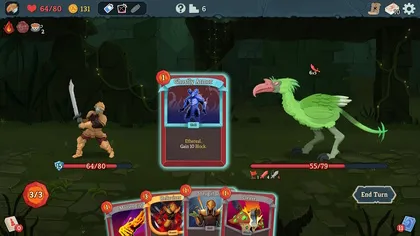
The Spire is returning, and with it comes a sense of decayed grandeur. The narrative isn't told through cutscenes, but through environmental storytelling and card art. We see the remains of the original characters' journeys, suggesting a cycle that has been broken or corrupted. This meta-narrative justifies the mechanical changes—the world is older, more dangerous, and the rules of magic have shifted.
This sense of time passing is reflected in the artifacts. Old relics appear in rusted or corrupted forms, offering different powers than their predecessors. It creates a haunting atmosphere where the player feels they are walking through a graveyard of their own previous runs. Events now have more role-playing depth, where your previous choices in the run dictate the available narrative options.
10. The Future of the Spire: Early Access as a Crucible
Slay the Spire 2 is launching in Early Access as a design philosophy rather than just a release strategy. The developers treat the player base as a massive balance engine. By releasing the game in a modular state, they allow the community to discover broken synergies which are then either leaned into or balanced out. This ensures that by the time version 1.0 arrives, the game is a perfectly honed instrument.
The move to Godot allows for faster hotfixes and more experimental beta branches where players can test radical new keywords or characters. Slay the Spire 2 is an ongoing conversation between the developers and a community that has spent millions of hours perfecting the art of the climb. It is a sequel that respects its heritage while boldly dismantling its own foundations to build something even more formidable.
In conclusion, Slay the Spire 2 is a masterpiece of iterative design. By moving to Godot, introducing summoning mechanics via the Necrobinder, and evolving the enemy AI into a reactive force, Mega Crit is ensuring that the Spire remains the pinnacle of the deckbuilding genre. It is a deeper, darker, and more technically sophisticated climb that challenges the player to rethink everything they knew about the original game.