.webp)





Introduction
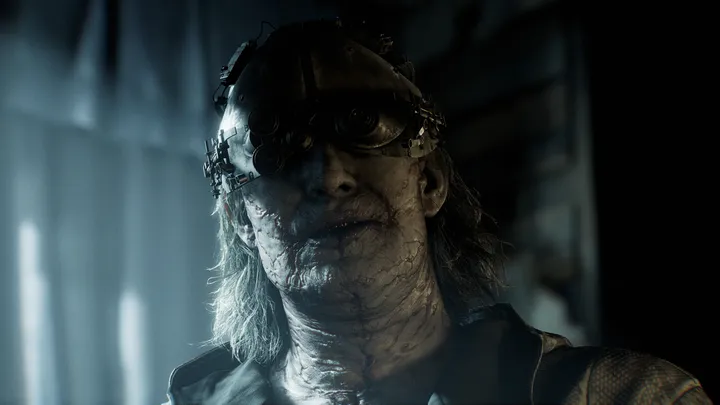
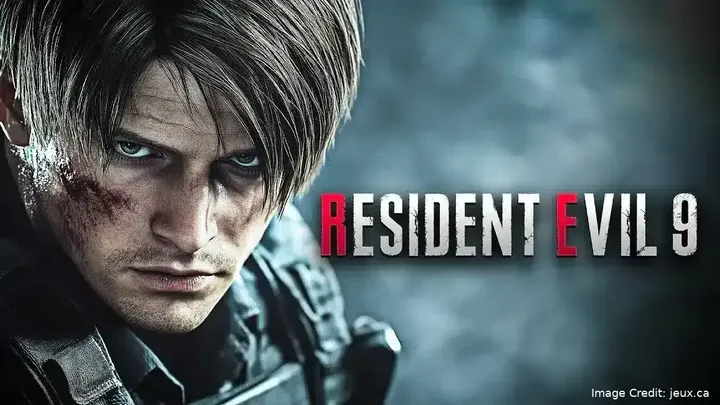
Resident Evil 9 Requiem is shaping up to be one of the most anticipated survival horror games in recent years. While much attention has been given to its story, graphics, and terrifying environments, one gameplay issue deserves deeper examination: the challenge of surviving the game's stalker enemy system. Throughout the Resident Evil franchise, stalker enemies have become iconic because they create tension that ordinary monsters cannot achieve. Instead of appearing only during scripted encounters, these enemies continuously pressure players while they explore, solve puzzles, and manage resources.
Resident Evil 9 Requiem appears to expand this concept further. The game's environments are expected to be larger, more detailed, and more interconnected than ever before. This creates exciting opportunities for dynamic horror but also introduces design challenges. A stalker enemy that constantly pursues the player can create unforgettable fear, yet excessive pressure can lead to frustration. The balance between tension and enjoyment is therefore critical.
This article examines the specific issue of stalker enemy design in Resident Evil 9 Requiem, exploring how such a system affects exploration, resource management, combat, pacing, and replayability throughout the game.
1. Why Stalker Enemies Are Different From Normal Monsters
Traditional enemies serve as obstacles that players can defeat, avoid, or outsmart. Once eliminated, the area becomes safer and easier to navigate. Stalker enemies operate differently because they remain a persistent threat. Their presence changes how players think about every action.
Instead of simply conserving ammunition, players must consider noise levels, escape routes, and potential hiding places. This transforms exploration into a strategic activity. Even familiar locations can become dangerous when a stalker enemy is nearby.
The Psychological Impact
The greatest strength of a stalker enemy is psychological pressure. Fear often comes from anticipation rather than direct confrontation. Players become nervous because they know danger may appear at any moment.
Key Characteristics
- Persistent pursuit
- Unpredictable movement
- High durability
- Limited opportunities for permanent defeat
- Strong psychological pressure
2. The Early Game Balance Problem
The beginning of Resident Evil 9 Requiem will likely establish the relationship between players and the stalker enemy. This phase is critical because first impressions shape the entire experience.
If the stalker appears too early and too frequently, new players may struggle to learn core mechanics. Exploration becomes stressful before players understand the environment. Conversely, if the enemy arrives too late, the horror atmosphere may not reach its full potential.
Creating the Right Introduction
Capcom must carefully introduce the threat while allowing players time to understand survival mechanics.
Effective Early-Game Design
- Brief encounters
- Visible escape routes
- Safe exploration periods
- Gradual increase in pressure
3. Exploration Under Constant Threat
Exploration has always been a defining feature of Resident Evil. Players search for keys, weapons, clues, and puzzle solutions throughout interconnected locations.
A stalker enemy dramatically changes this process. Instead of calmly searching rooms, players must remain alert at all times. Every corner becomes a potential danger zone.
Positive Effects on Exploration
When designed properly, stalkers make exploration more exciting. Finding resources becomes rewarding because players earn them under pressure.
Potential Problems
If the enemy interrupts exploration too often, players may avoid investigating optional areas altogether. This can reduce engagement with the game's world and lore.
4. Resource Management Becomes More Difficult
Resource management lies at the heart of survival horror. Every bullet, healing item, and crafting material matters.
A stalker enemy complicates this system because players may waste resources during panic situations. Instead of fighting efficiently, they may fire unnecessary shots or use healing items prematurely.
Strategic Decision Making
The presence of a powerful pursuer forces players to think carefully about inventory management.
Important Choices
- Fight or flee
- Save ammunition or use it immediately
- Explore further or retreat
- Use healing items now or later
These decisions become significantly more meaningful when a stalker enemy is involved.
5. Combat Challenges Against an Unstoppable Threat
Most Resident Evil enemies can eventually be defeated. Stalker enemies often break this rule by surviving encounters that would kill ordinary creatures.
This creates a unique challenge. Players must learn that victory is not always achieved through combat.
Learning to Survive
Resident Evil 9 Requiem may encourage players to focus on survival rather than elimination.
Alternative Strategies
- Environmental traps
- Temporary stun opportunities
- Strategic hiding
- Route planning
- Resource conservation
These methods can be more valuable than direct combat.
6. Maintaining Fear Throughout the Campaign
Many horror games struggle to remain frightening after the opening hours. Once players understand enemy behavior, fear often decreases.
Resident Evil 9 Requiem must avoid this issue if the stalker system remains central to the experience.
The Familiarity Problem
As players spend more time with the game, they naturally become more confident. This confidence can reduce tension.
Keeping Players Uncertain
Capcom may need to introduce new mechanics throughout the campaign.
Possible Solutions
- New enemy abilities
- Different pursuit patterns
- Dynamic encounters
- Environmental changes
- Story-driven surprises
These elements can help maintain suspense from beginning to end.
7. Environmental Design and Stalker Encounters
Level design plays a crucial role in determining whether stalker enemies feel fair.
Large open spaces allow players to maneuver effectively, while narrow corridors create intense close-range encounters.
The Importance of Layout
Every room, hallway, and shortcut influences how players interact with the pursuer.
Design Considerations
Essential Features
- Multiple escape routes
- Hidden pathways
- Temporary safe zones
- Interactive environments
- Strategic chokepoints
A well-designed environment can make encounters feel challenging rather than frustrating.
8. Storytelling Through Pursuit
Stalker enemies are more than gameplay mechanics. They can also contribute to storytelling.
A relentless pursuer often symbolizes larger themes such as fear, trauma, obsession, or inevitability.
Emotional Storytelling
The enemy's presence can reinforce the narrative by making players experience the same anxiety felt by the protagonist.
Narrative Advantages
Story Benefits
- Increased immersion
- Stronger emotional connection
- Enhanced suspense
- Memorable encounters
This approach allows gameplay and storytelling to support one another.
9. Replayability and Dynamic Encounters
Replayability has always been important for Resident Evil games. Many players complete campaigns multiple times to improve performance and discover secrets.
A stalker system can either strengthen or weaken replayability depending on its design.
Predictability vs Variety
If enemy behavior remains identical during every playthrough, players may eventually memorize optimal routes.
Encouraging Multiple Playthroughs
Replayability Features
- Randomized patrol routes
- Alternative encounters
- Variable spawn locations
- Dynamic environmental events
- Difficulty-specific behavior
These features can make every playthrough feel unique.
10. The Future of Stalker Enemies in Resident Evil
Resident Evil 9 Requiem has an opportunity to redefine how stalker enemies function within survival horror games.
If successful, the game could establish new standards for dynamic horror experiences.
Evolution of the Formula
The Resident Evil franchise has constantly evolved. Each generation introduces new ideas while preserving core survival horror principles.
Potential Long-Term Impact
Future Possibilities
- Smarter AI systems
- More adaptive pursuit mechanics
- Greater environmental interaction
- Enhanced psychological horror
- Improved replayability systems
A successful stalker system could influence not only future Resident Evil titles but the horror genre as a whole.
Conclusion
The stalker enemy system may become one of the most important features in Resident Evil 9 Requiem. While these enemies create incredible tension and memorable moments, they also present significant design challenges. Developers must carefully balance fear, exploration, combat, resource management, and pacing to ensure the experience remains enjoyable throughout the entire campaign.
When executed correctly, a stalker enemy transforms ordinary gameplay into a constant struggle for survival. Every decision becomes meaningful, every hallway becomes dangerous, and every resource becomes valuable. This is the essence of survival horror.
Resident Evil 9 Requiem has the potential to deliver one of the most intense stalker enemy experiences in franchise history. Whether it succeeds will depend on how effectively it balances relentless pursuit with player freedom and strategic gameplay.