How to Master Monster Hunter: World – Complete Beginner to Advanced Hunting Guide
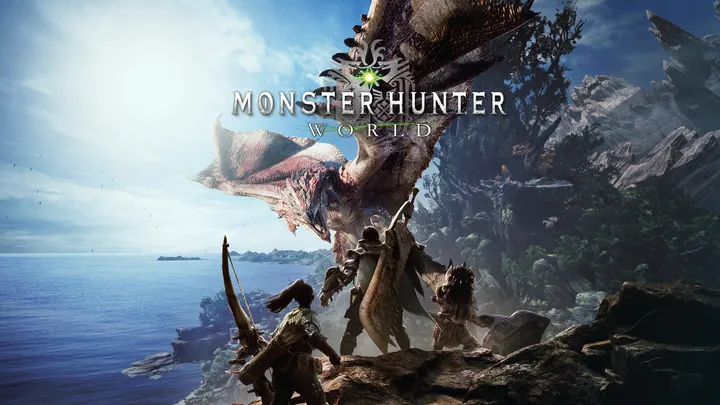
Few action RPGs offer the same level of depth, challenge, and satisfaction as Monster Hunter: World. Developed by Capcom, the game throws players into a living ecosystem filled with massive monsters, dangerous environments, complex weapon systems, and rewarding progression mechanics.
Unlike traditional RPGs where victory comes from leveling up endlessly, Monster Hunter: World focuses heavily on player skill, preparation, positioning, and understanding monster behavior. Every hunt feels like a boss fight, and success depends more on learning patterns and improving mechanically than simply increasing stats.
For new players, the game can feel overwhelming. There are fourteen weapon types, dozens of crafting systems, environmental mechanics, item combinations, armor skills, and monster-specific strategies. Many beginners struggle because they try to play aggressively without understanding the game’s deliberate combat system.
This detailed guide explains how to survive early hunts, choose the right weapon, build strong armor sets, improve combat performance, and eventually master high-level hunts against the toughest monsters in the New World.
1. How to Understand the Core Gameplay Loop
The core gameplay of Monster Hunter: World revolves around preparation, hunting, crafting, and progression. Each hunt begins before combat even starts. Players prepare items, select equipment, eat meals for buffs, and study the target monster’s weaknesses.
After accepting a quest, players track monsters through environments using scoutflies and clues such as footprints, mucus, feathers, and scratches. Eventually, the hunt begins.
Unlike many action games, combat in Monster Hunter is slow, deliberate, and highly committal. Attacks have weight and recovery animations, meaning reckless button mashing usually leads to punishment.
Every successful hunt rewards materials used to craft:
- Stronger armor
- Better weapons
- Decorations
- Upgrades
- Specialized equipment
This creates the game’s addictive progression loop where each hunt prepares players for even stronger monsters later.
Important Core Concepts
- Preparation matters as much as combat skill
- Monster patterns are more important than raw damage
- Positioning determines survivability
- Patience is rewarded heavily
- Every weapon has a unique playstyle
Many beginners fail because they treat Monster Hunter like a fast hack-and-slash game instead of a tactical action RPG.
2. How to Choose the Right Weapon
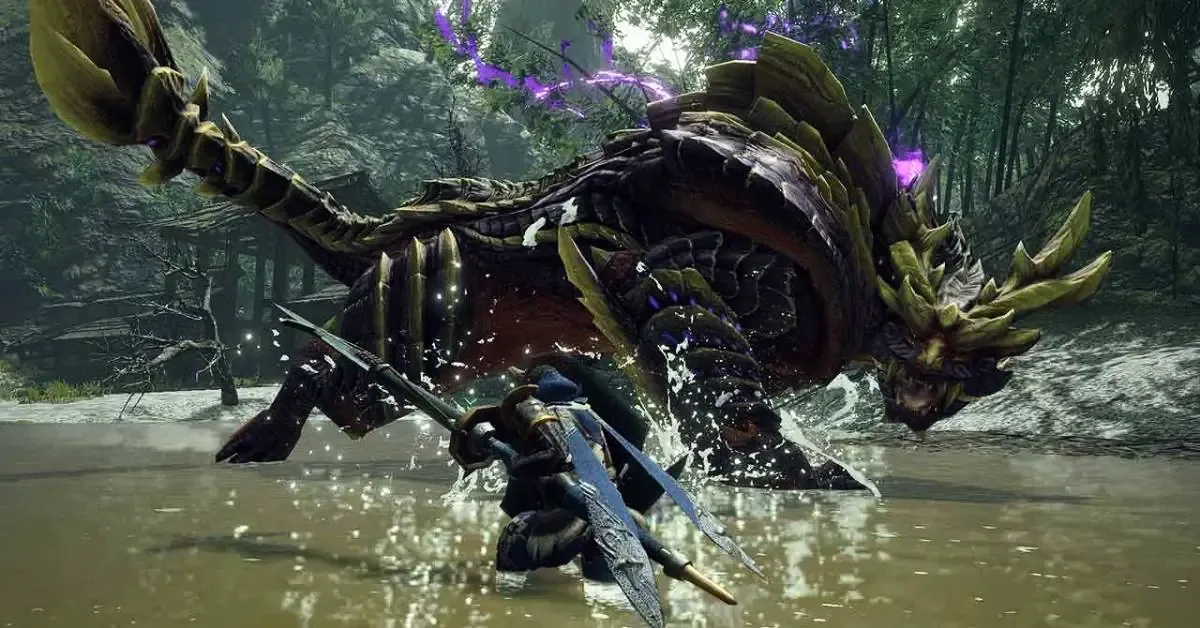
One of the most important decisions in Monster Hunter: World is selecting a weapon type. The game offers fourteen completely different weapons, each with unique mechanics, strengths, and skill ceilings.
There is no universally best weapon. The best choice depends entirely on personal playstyle.
Beginner-Friendly Weapons
The Sword and Shield offers excellent mobility, defensive flexibility, and fast attacks, making it ideal for beginners.
The Long Sword is popular because of its balanced reach, mobility, and stylish counter mechanics.
The Dual Blades focus on speed and aggressive gameplay, while the Hammer rewards precise positioning with powerful stun attacks.
Advanced Weapons
Weapons like the Charge Blade, Switch Axe, and Insect Glaive offer incredible depth but require more practice.
The Great Sword deals enormous damage but demands precise timing and positioning.
Bowguns and the Bow introduce ranged gameplay with ammo management and positioning complexity.
Choosing a Weapon Style
- Fast and mobile → Dual Blades or Sword and Shield
- Heavy damage → Great Sword or Hammer
- Technical complexity → Charge Blade
- Ranged combat → Bow or Bowguns
- Balanced gameplay → Long Sword
The best way to choose is experimenting in the training area rather than following popularity alone.
3. How to Prepare Properly Before Hunts
Preparation is one of the defining features of Monster Hunter.
Before every hunt, players should:
- Restock healing items
- Bring traps and bombs
- Carry buffs and antidotes
- Eat meals for bonuses
- Equip appropriate armor and weapons
Many monsters inflict dangerous status effects such as:
- Poison
- Paralysis
- Fireblight
- Iceblight
- Sleep
Failing to prepare proper resistance or cures can make fights dramatically harder.
Food buffs from the canteen are extremely important because they increase:
- Health
- Stamina
- Attack
- Defense
Ignoring meal preparation puts players at a major disadvantage immediately.
Essential Beginner Items
- Potions and Mega Potions
- Antidotes
- Whetstones
- Rations
- Traps
- Flash Pods
Preparation often determines whether difficult hunts feel manageable or overwhelming.
4. How to Learn Monster Behavior and Patterns
Monster Hunter is fundamentally about learning monsters.
Every monster has:
- Attack patterns
- Weak points
- Enrage states
- Elemental weaknesses
- Behavioral tells
Strong players observe monsters carefully instead of attacking mindlessly.
For example, many monsters telegraph attacks through:
- Roars
- Tail positioning
- Movement changes
- Sound cues
- Animation startup
Recognizing these tells allows players to dodge, counterattack, or reposition safely.
Understanding monster exhaustion is also important. Tired monsters move slower, fail attacks, and become more vulnerable.
Important Combat Habits
- Watch monster movement carefully
- Learn attack timing
- Prioritize safe openings
- Avoid greedy overextensions
- Stay calm during aggressive phases
Most deaths happen because players become impatient and attack during unsafe windows.
5. How to Master Combat Positioning
Positioning is one of the most important combat skills in Monster Hunter.
Beginners often focus entirely on attacking, but advanced players focus more on standing in safe, advantageous positions.
Each monster has zones of danger and zones of opportunity.
For example:
- Standing directly in front of monsters is often dangerous
- Staying near legs may avoid certain attacks
- Attacking tails provides safer openings for some weapons
Different weapons also prefer different positions. Great Sword users rely on prediction and spacing, while Dual Blade players stay aggressive and mobile.
Positioning Tips
- Avoid staying directly under monsters blindly
- Learn safe angles for each enemy
- Reposition constantly instead of overcommitting
- Attack during recovery animations
Good positioning reduces damage taken more effectively than relying entirely on dodging reflexes.
6. How to Build Strong Armor Sets
Armor in Monster Hunter is more than just defense. Skills attached to armor pieces dramatically affect gameplay.
Strong builds revolve around combining useful skills such as:
- Weakness Exploit
- Critical Eye
- Attack Boost
- Health Boost
- Evade Window
Beginners often prioritize raw defense only, but skill synergy becomes increasingly important later.
Elemental resistance also matters depending on the monster being hunted.
Strong Beginner Priorities
- Health Boost for survivability
- Divine Blessing for defense
- Attack Boost for damage consistency
Later in the game, optimized armor builds become essential for efficient hunts.
Armor Building Tips
- Prioritize useful skills over pure defense
- Build around your weapon type
- Adapt elemental resistance when needed
- Upgrade armor consistently
A properly optimized build dramatically improves combat performance.
7. How to Use the Environment Effectively
Monster Hunter: World introduced highly interactive environments that reward awareness and creativity.
Players can:
- Drop boulders onto monsters
- Trigger environmental traps
- Use slopes for aerial attacks
- Swing from vines
- Use endemic life strategically
Environmental hazards can deal huge damage and create knockdowns.
Mounting monsters is another important mechanic. Repeated aerial attacks eventually allow players to climb onto monsters temporarily, creating opportunities for massive team damage.
Environmental Combat Tips
- Use terrain for mobility advantages
- Trigger traps whenever possible
- Learn map layouts carefully
- Use slinger ammunition effectively
The environment itself can become one of your strongest tools.
8. How to Hunt Efficiently in Multiplayer
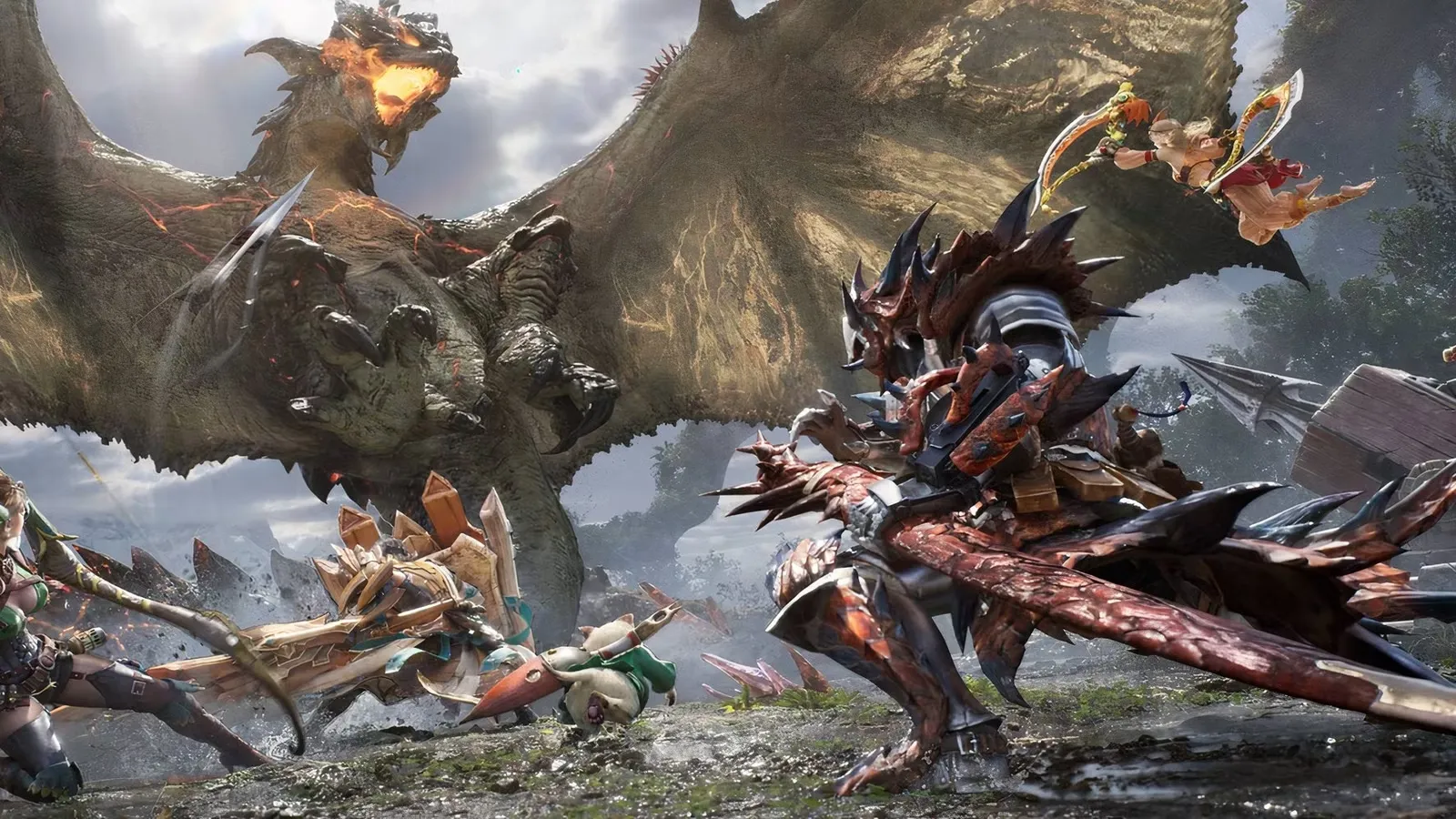
Monster Hunter becomes especially fun in multiplayer, but teamwork introduces additional complexity.
Good multiplayer hunters:
- Avoid interrupting teammates
- Coordinate traps and status effects
- Support team positioning
- Focus on consistent survival
Certain weapons cause friendly stagger effects, which can disrupt teammates if positioned poorly.
Communication becomes increasingly important during difficult hunts.
Multiplayer Hunting Tips
- Stay aware of teammate positioning
- Use support items generously
- Avoid reckless carting
- Coordinate crowd-control effects
Surviving consistently helps the team far more than reckless damage chasing.
9. How to Progress Into High Rank and Endgame
High Rank dramatically increases difficulty and introduces stronger monster variants, better gear, and more complex mechanics.
At this stage:
- Armor skills become essential
- Monster aggression increases
- Proper builds matter significantly more
- Weakness exploitation becomes critical
Players should begin specializing builds for:
- Specific weapons
- Elements
- Monster matchups
Decorations and charms also become much more important for build optimization.
High Rank Priorities
- Upgrade armor consistently
- Learn advanced weapon mechanics
- Optimize skill synergy
- Improve survivability before pure damage
Patience and preparation become increasingly valuable later.
10. How to Master Endgame Hunts and Improve Consistently
Endgame Monster Hunter focuses on mastery.
Monsters such as Elder Dragons and late-game threats demand:
- Precise positioning
- Strong builds
- Deep pattern knowledge
- Efficient item management
At high levels, small mistakes become heavily punished.
Improvement comes from analyzing:
- Positioning errors
- Greedy attacks
- Missed opportunities
- Poor preparation
Strong players improve because they constantly adapt and refine their gameplay.
Long-Term Improvement Tips
- Learn one weapon deeply first
- Study monster patterns carefully
- Build optimized armor sets gradually
- Focus on consistency over speed
Monster Hunter rewards dedication and mechanical growth more than almost any action RPG.
Conclusion
Monster Hunter: World remains one of the best action RPGs ever created because it combines skill-based combat, rewarding progression, deep customization, and incredible monster design into one unforgettable experience.
Mastering the game takes time, patience, and practice. Success comes from preparation, positioning, understanding monster behavior, and continuously improving mechanically rather than relying purely on equipment.
While the game may feel overwhelming initially, learning weapon mechanics, armor building, environmental interactions, and combat fundamentals transforms the experience dramatically. Every hunt becomes more satisfying as players grow more skilled and confident.
Whether hunting solo or with friends, Monster Hunter: World delivers one of the most rewarding progression systems in gaming, where every victory feels earned through knowledge, preparation, and persistence.
Summary (160 characters):
Master Monster Hunter: World with combat, weapon, armor, and hunting strategies for consistent success against powerful monsters.