.webp)






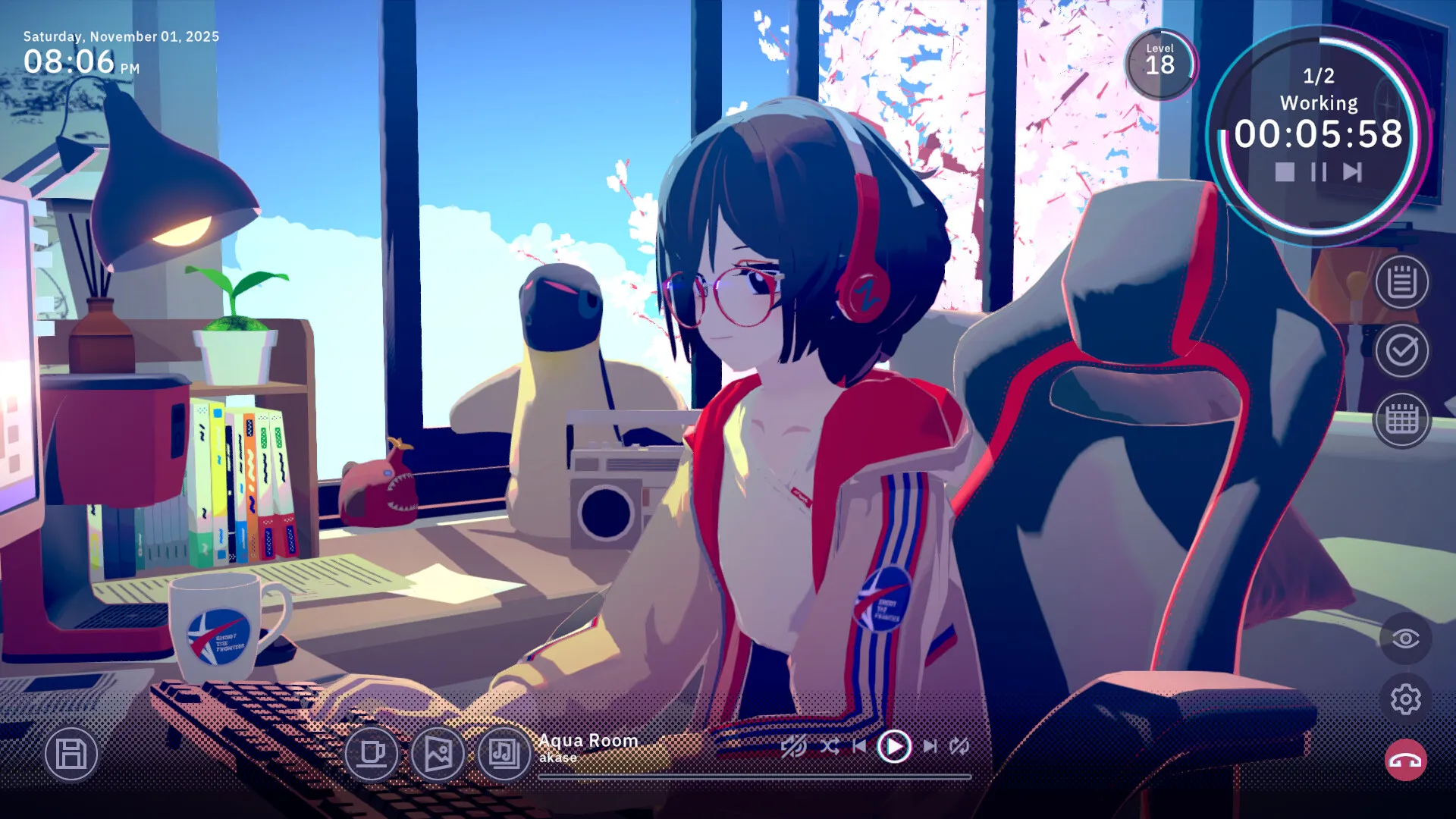
Chill with You: Lo-Fi Story is a cozy narrative experience built around ambient storytelling, soft lo-fi music loops, and slow-paced interactive moments. Unlike action-heavy titles, this game emphasizes emotional immersion, environmental interaction, and atmospheric progression.
This guide is structured chronologically and thematically—from your first session to long-term completion—so you can unlock hidden scenes, optimize progression efficiency, and fully experience the emotional arc of the game.
1. Understanding the Core Gameplay Philosophy
Chill with You: Lo-Fi Story is not designed around challenge or mechanical mastery. Its primary loop centers on observation, interaction, and atmosphere.
The pacing is intentionally slow. Rushing through dialogue or skipping environmental cues reduces narrative depth and collectible discovery.
Core Gameplay Loop
- Explore small environments
- Interact with objects
- Trigger memory or dialogue sequences
- Unlock soundtrack variations
Player Mindset
Approach the game:
- Patiently
- Curiously
- Without performance pressure
The experience rewards attentiveness rather than speed.
2. First Session Setup – Optimizing Atmosphere
Your first play session sets the tone. Audio and environment matter significantly.
Use headphones if possible. The layered lo-fi soundtrack contains subtle environmental cues and transition triggers.
Recommended Setup
- Moderate lighting
- Headphones enabled
- Distraction-free environment
Why Audio Matters
Sound layers shift when:
- You trigger emotional milestones
- Time transitions occur
- Hidden interactions activate
Missing these details reduces immersion.
3. Early Exploration Strategy
During the first chapter, the environment appears simple. However, many objects contain layered interactions.
Interact with:
- Windows
- Desks
- Musical equipment
- Background decorations
Some items require multiple clicks over time to unlock deeper dialogue.
Hidden Interaction Tip
Return to previously interacted objects after major dialogue scenes. Many items update contextually.
Avoiding Missed Moments
Do not fast-forward transitions. Some memory triggers occur during environmental pauses.
4. Managing Time Progression
Time cycles influence atmosphere and content.
Day-to-night shifts may unlock:
- Alternate music tracks
- New dialogue
- Changed scenery
Understanding timing allows efficient content discovery.
Time-Based Unlocks
Check:
- Window scenes at different hours
- Desk objects after sunset
- Weather-related triggers
Efficient Replay Strategy
Instead of restarting entirely:
- Reload key checkpoints
- Trigger alternate time states
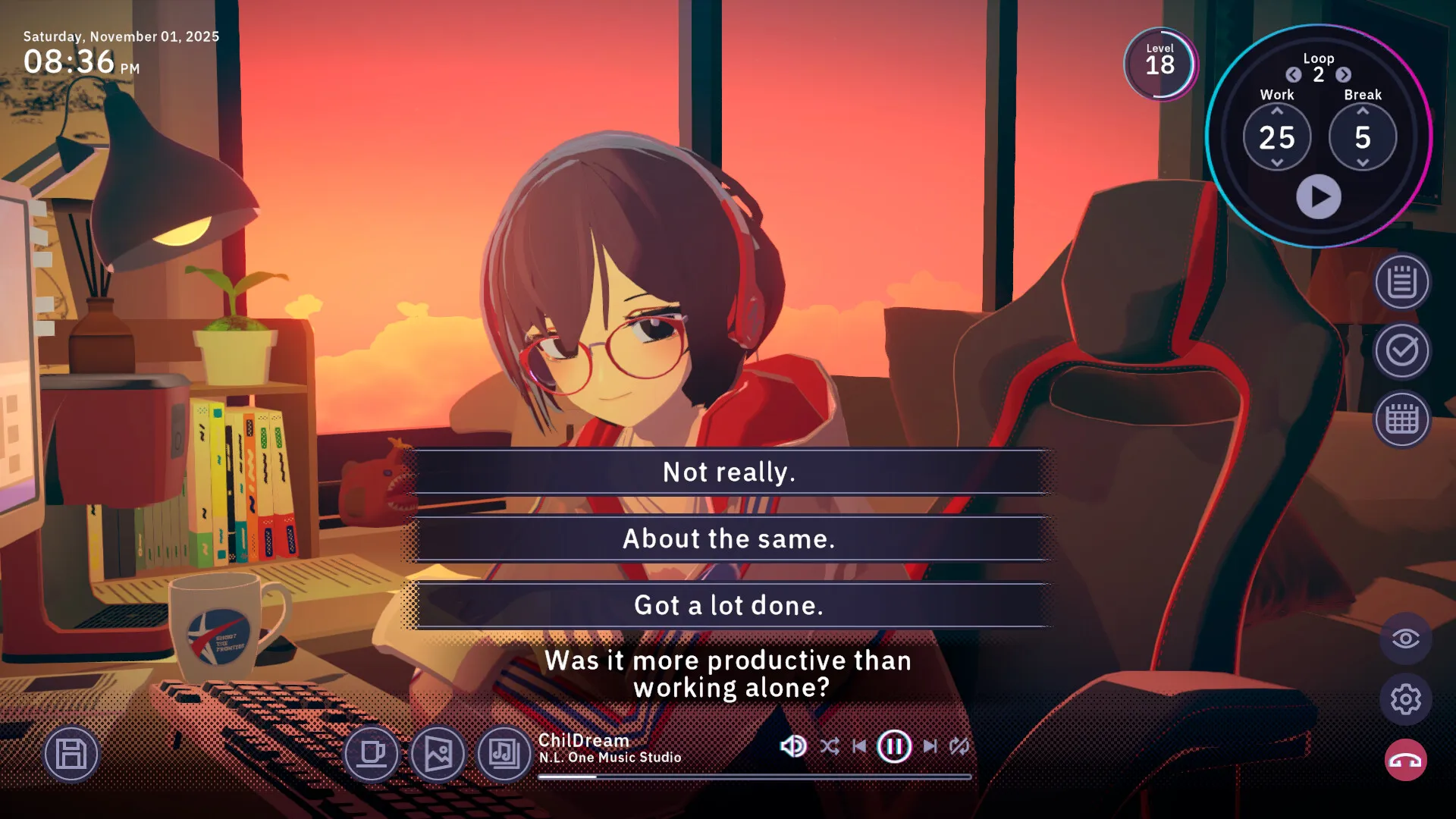
5. Dialogue Choices and Emotional Branching
Though subtle, dialogue selections influence tone.
Some responses:
- Unlock reflective monologues
- Trigger alternative music
- Change environmental mood
Dialogue Strategy
Choose based on:
- Curiosity
- Emotional alignment
- Narrative continuity
Multiple Path Completion
To see all variations:
- Replay key emotional scenes
- Document dialogue branches
6. Collectibles and Hidden Story Fragments
The game hides memory fragments within environmental interactions.
Collectibles often:
- Unlock bonus soundtrack layers
- Reveal deeper backstory
- Add ambient visual changes
Where to Search
- Shelf items
- Floor details
- Background corners
- Interactive light sources
Completionist Tip
Keep track of:
- Scenes revisited
- Unexplored time states
- Objects not yet fully triggered
7. Soundtrack Unlock Optimization
Music is central to progression.
Different actions may:
- Layer additional instruments
- Introduce vocal samples
- Change tempo subtly
Unlock Method Strategy
Interact during:
- Weather changes
- Emotional peaks
- Night transitions
Audio Completion
To unlock all tracks:
- Stay idle during certain loops
- Trigger quiet scenes
- Avoid skipping fade transitions
8. Advanced Environmental Interaction
Later chapters introduce deeper environmental storytelling.
Small details change after:
- Major dialogue events
- Memory revelations
- Time transitions
Visual Cue Awareness
Watch for:
- Light intensity shifts
- Object repositioning
- Subtle animation loops
Layered Interaction
Some objects require:
- Multiple revisits
- Time-specific activation
- Sequential triggering

9. Replay Value and Full Narrative Completion
The game is short in runtime but dense in emotional variation.
To fully complete:
- Replay key chapters
- Trigger alternative dialogue
- Explore all time states
Structured Completion Plan
- First run – blind experience
- Second run – collectible focus
- Third run – dialogue variation
Emotional Interpretation Layer
Take time between sessions. The narrative impact deepens with reflection.
10. Long-Term Engagement and Relaxation Optimization
Chill with You: Lo-Fi Story doubles as a relaxation tool.
Many players use it:
- As background ambience
- For study sessions
- For winding down
Using the Game as Ambient Mode
- Unlock all tracks
- Select preferred time setting
- Let music loop passively
Personalization Strategy
Experiment with:
- Weather state
- Time of day
- Soundtrack layering
This transforms the experience into a customizable lo-fi environment.
Conclusion
Chill with You: Lo-Fi Story is not about difficulty or mechanical mastery—it is about presence, observation, and emotional resonance. Early sessions focus on atmosphere setup and exploratory interaction. Mid-game depth comes from dialogue variation and time-based discovery. Late completion depends on revisiting scenes, unlocking soundtrack layers, and observing subtle environmental shifts.
Move slowly. Listen carefully. Revisit intentionally. Reflect deeply.
That is how you fully experience Chill with You: Lo-Fi Story.